See
Start by observing the wine’s colour.
Red wine: Is it maroon, purple, ruby, garnet, red or even brownish?
White wine: Is it clear, straw-like, golden, light green, pale yellow, orange or brown?
Swirl
Give it a little swirl. The swirling action helps aerate the wine, producing an oxidizing effect that helps enhance the wine’s flavour and natural aroma.
Smell
To get a good impression of your wine’s aroma, gently swirl your glass and then take a quick whiff to gain a first impression.
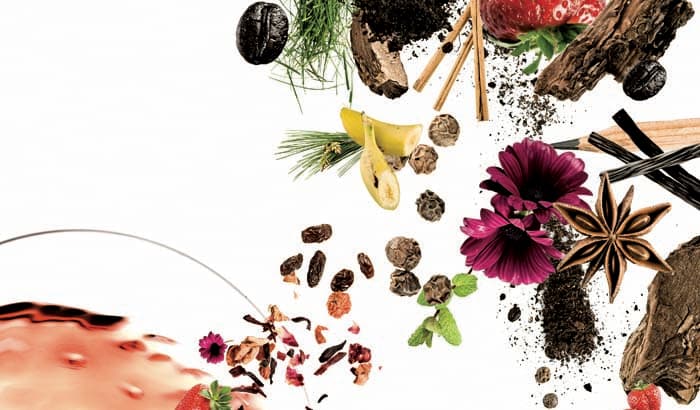
Do you smell Oak, Berry, Flowers, Vanilla, Mineral, Honey or Citrus?
Sip
Take a sip and taste. Let the wine roll around your tongue. Although it is natural to sip your wine, slurping it will continue to oxidize the liquid, allowing you to taste the flavours more fully.
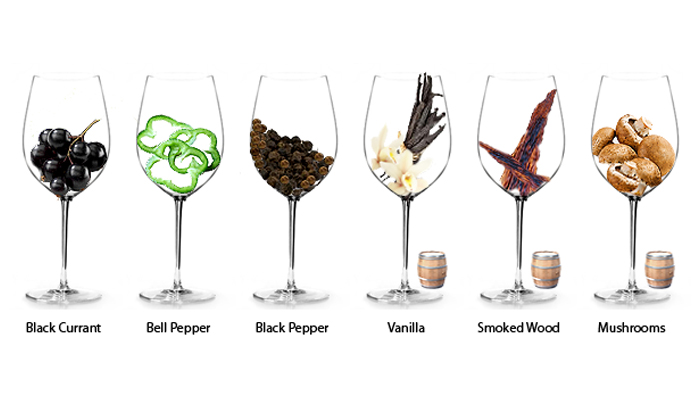
Reds Wines: Will often have berry, woody, Smokey and bell pepper tastes.
White wines: Will often have apple, floral, citrus or mineral flavours associated with them.
Savour
As you swish the wine through your mouth, your taste buds will note the presence of tannins, Sweetness, Acidity, Length and Alcohol.
Tannins: Your cheeks will feel an astringent puckering sensation or dry mouth sensation.
Sweetness: You will detect the wine’s degree of sweetness on the tip of your tongue.
Acid: Makes your mouth produce saliva and gives a watery mouth feeling.
Finish: How long does the flavour stay in your mouth? A long time = Good length.
Alcohol: Warmness in the back of the throat.